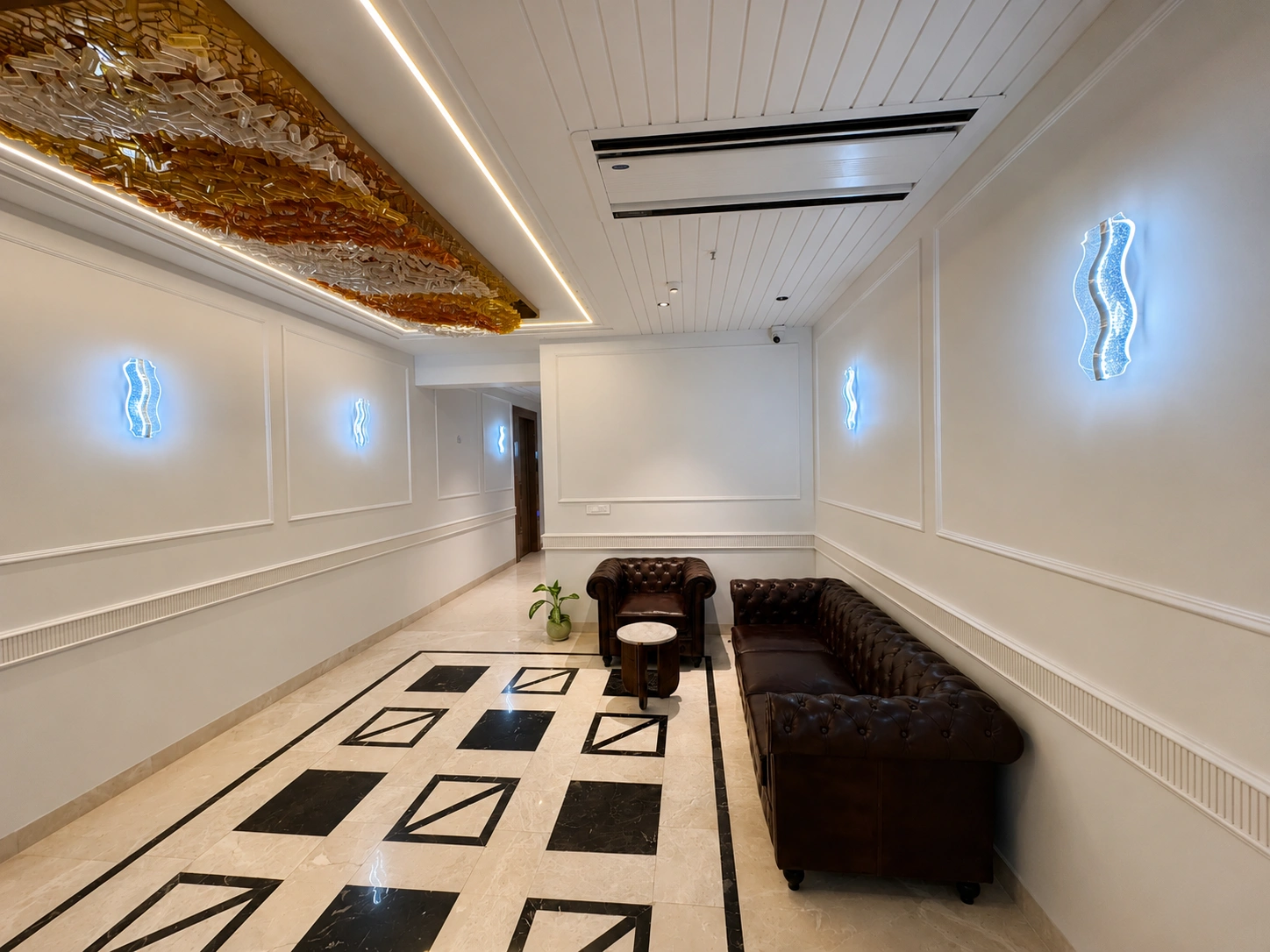
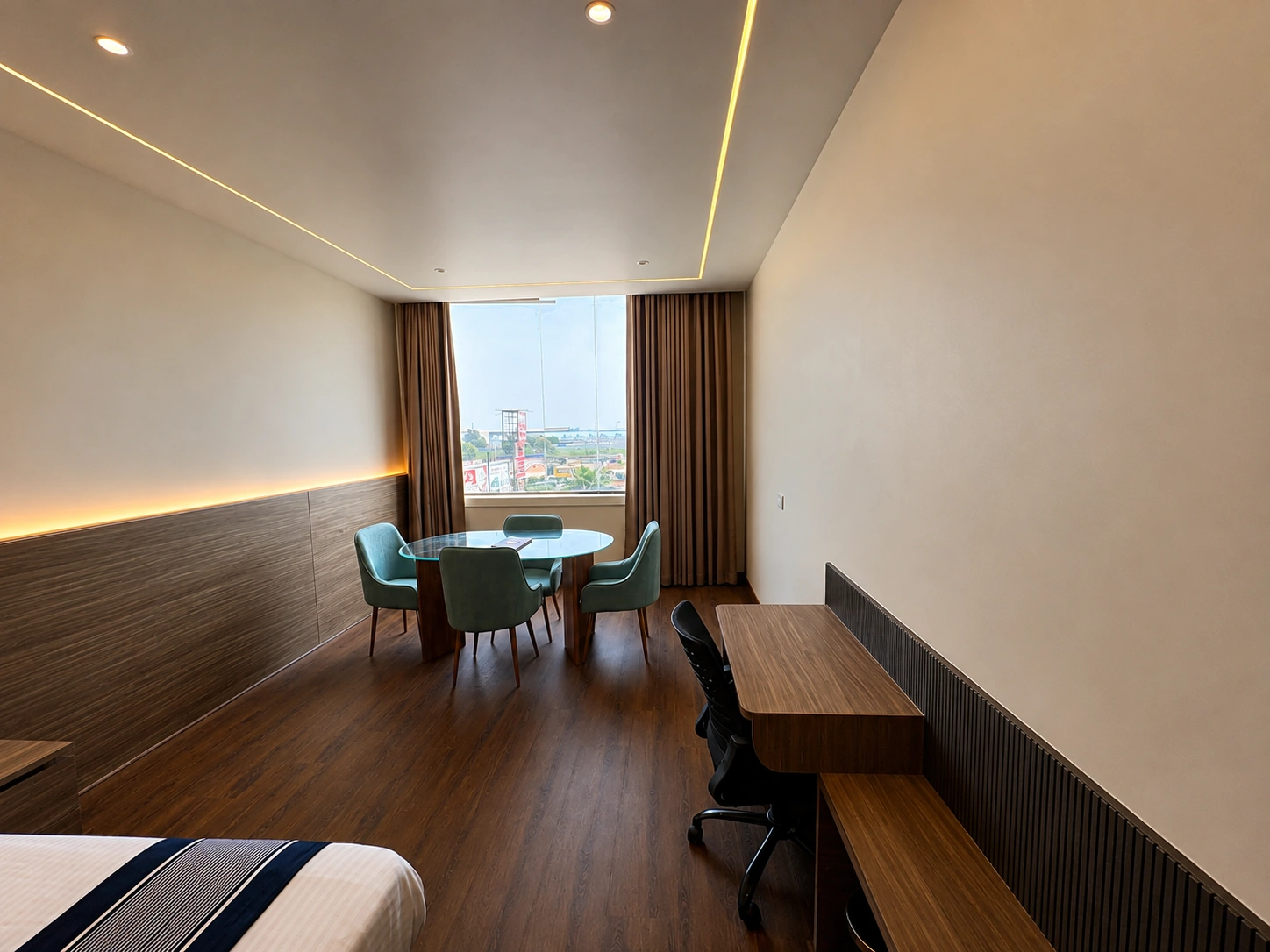
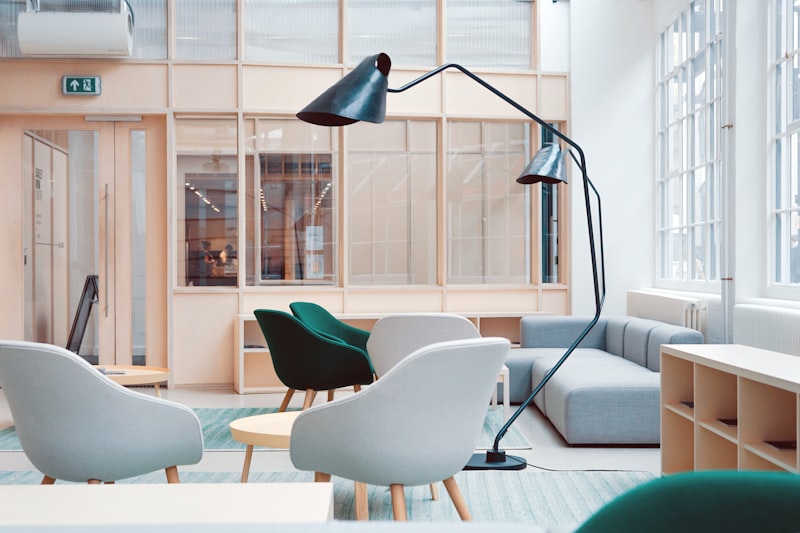
indéva studio is an architectural interior design firm operating across india.
we design from structure, proportion, and movement.
no surface styling. no trend-chasing.
what gets built is the only truth.
architecture leads.
interiors follow.
execution completes the idea.
fill in the form below and we will get back to you within 24 hours. no obligations, no sales calls — just a conversation.
or reach us directly · whatsapp ↗ · +91 9717881083
indéva studio was founded to challenge how interiors are commonly designed and delivered. too many projects are built on surface aesthetics and unrealistic promises. we operate with conviction, clarity, and responsibility — from brief to handover, without exception.
indéva studio was founded to challenge the way interiors are commonly designed and delivered. too often, projects are driven by surface aesthetics, unrealistic promises, and a lack of accountability once execution begins. i wanted to build a firm that operates with honesty, clarity, and responsibility.
at indé, every decision is made with execution in mind — from space planning and furniture to materials and detailing. we speak openly about budgets, timelines, and constraints, and we stay involved until the work is finished as intended.
"we don't chase trends or design for applause. we believe good design should perform well in real life and age with time. that requires conviction, difficult conversations, and accountability from start to finish."
design is a service to the soul, not just an aesthetic exercise. we prioritize habitability before selecting a colour palette. we map morning light, the flow of conversation, and the physical comfort of a seated guest. a chair is only beautiful if it invites you to stay.
true luxury is felt, not seen. we obsess over elements you don't notice until they're missing — the silent glide of a drawer, the tactile weight of a door handle, the acoustic warmth of a well-layered room. invisible engineering is the foundation that lets the aesthetic feel effortless.
we reject the total look of a single era or brand. we pair sleek modern industrialism with the warmth of an antique. this juxtaposition creates a dialogue that prevents a space from feeling dated and allows it to remain timeless through its eclectic soul.
a room that is too perfect is a room without character. we leave space for the happy accident — books slightly off-centre, a weathered patina, a rug with a softened edge. this quiet imperfection invites people to relax, not retreat.
design rules are references, not commandments. we break them when a space asks us to — mixing patterns, shifting scale, placing art where it feels right. this confidence ensures the result is not a copy of a magazine, but an original expression of identity.
decisions are led, not diluted. we question briefs and challenge bad ideas early. design leadership means having opinions.
what gets built is the only truth. detailing and drawings are developed for buildability, not presentation.
we discuss budgets, risks, and constraints upfront. we don't sell unrealistic timelines or outcomes. late surprises are expensive.
interiors are shaped by spatial logic, not surface styling. if the plan is weak, nothing can save it.
design with clarity. deliver with confidence.
initial contact to review the project at a high level — scope, site, typology, and intent. we assess fit before committing time.
before aesthetics, we establish clarity. brief, budget, site realities, constraints — all discussed openly. roles and responsibilities locked.
formal engagement begins. scope of work defined in writing. team roles confirmed. project timeline agreed. no ambiguity about who is responsible for what.
spatial planning, concept development, furniture logic, material language, lighting strategy — all developed as a coherent system. 3d visualization used for proportion validation and client alignment before build.
detailed working drawings, joinery detailing, electrical coordination, ceiling plans, wall elevations. vendor alignment, regular site reviews, design protection during build.
final quality review against design intent. snagging completed. space handed over only when the standard is met — not before. we don't disappear after drawings. we stay until it's right.
architecture & interior design · furniture & joinery · project execution
if the plan is weak,
nothing can save it.
spatial planning, structural coordination, material and lighting strategy — defining how a space works, moves, and lives. architecture leads. interiors follow. we design from structure, proportion, and movement, not from aesthetics.
we draw for contractors,
not for applause.
custom furniture, built-ins, and detailing developed with manufacturing realities and long-term use in mind. every piece is conceived as form, function, and durability — designed to survive life, not just a photoshoot.
execution is part
of the thinking.
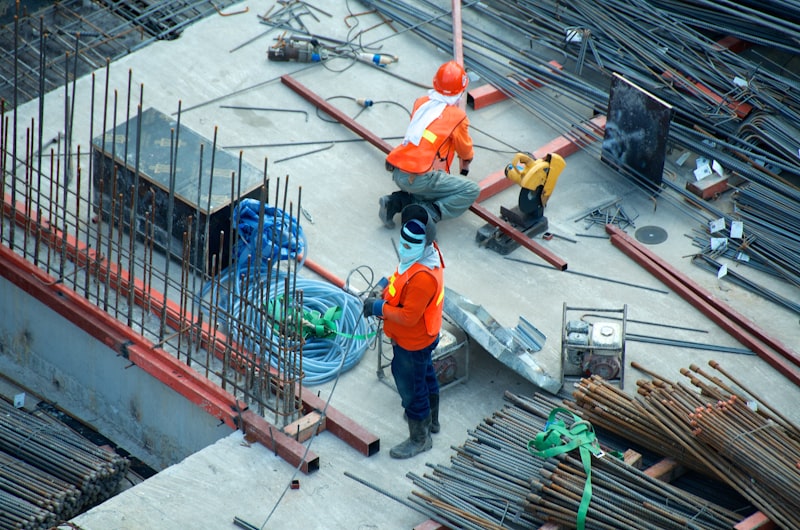
on-site coordination, design supervision, and delivery control to ensure the design is built exactly as intended. we don't disappear after drawings. we protect design intent through every phase until flawless handover.
design with clarity. deliver with confidence.
initial contact to review the project at a high level — scope, site, typology, and intent. we assess fit before committing time.
before aesthetics, we establish clarity. brief, budget, site realities, constraints — all discussed openly. roles and responsibilities locked.
formal engagement begins. scope of work defined in writing. team roles confirmed. project timeline agreed. no ambiguity about who is responsible for what.
spatial planning, concept development, furniture logic, material language, lighting strategy — all developed as a coherent system. 3d visualization used for proportion validation and client alignment before build.
detailed working drawings, joinery detailing, electrical coordination, ceiling plans, wall elevations. vendor alignment, regular site reviews, design protection during build.
final quality review against design intent. snagging completed. space handed over only when the standard is met — not before. we don't disappear after drawings. we stay until it's right.
six spaces · six visions · crafted with intention
we prioritize the habitability of a room. before selecting a colour palette, we map the morning light, the flow of conversation, and the physical comfort of a seated guest. a chair is only beautiful if it invites you to stay; a room is only successful if it enhances daily rituals.
we obsess over elements you don't notice until they're missing — the silent glide of a drawer, the tactile weight of a door handle, the acoustic warmth of a well-layered room. these invisible engineering choices form the foundation that allows the aesthetic to feel light and effortless.
we reject the total look of a single era or brand. we pair sleek modern industrialism with the warmth of an antique. this juxtaposition creates a dialogue that prevents a space from feeling dated and allows it to remain timeless through its eclectic soul.
a room that is too perfect is a room without character. we leave space for the happy accident — books slightly off-centre, a weathered patina, a rug with a softened edge. this quiet imperfection invites people to relax, not retreat. perfection is the enemy of comfort.
design rules are references, not commandments. we break them when a space asks us to — mixing patterns, shifting scale, placing art where it feels right. this confidence ensures the result is not a copy of a magazine, but an original expression of identity.
new delhi, india · hello@indevastudio.com
we ask difficult questions early.
because late surprises are expensive.
we design for real sites.
real constraints.
real people.
a thinking firm documents its thinking.
the plan is not the starting point of design — it is the design. most projects go wrong before a single material is selected, because the spatial logic was never interrogated.
there is a persistent myth that design ends when drawings are submitted. it doesn't. design intent dies on site when no one is watching. this is why execution is not a separate phase — it is the final design act.
the most uncomfortable spaces we've encountered are the most perfectly finished. when everything is controlled, nothing is human. here's why we deliberately leave ten percent undone.
the gap between a client's stated budget and their actual expectations is the most dangerous distance in indian interior design. an honest conversation about this gap is the single most important thing a designer can do at the start of a project.
every project has a moment when the contractor suggests a shortcut, the vendor substitutes a material, or the client approves a change without understanding the consequence. this is how we handle those moments.
moodboards are a sedative. they create the feeling of progress without any of the substance. we start with the plan, the site, the constraints, and the people — because that's where the actual design lives.
most designers treat lighting as the last decision. we treat it as the first. the way light enters, bounces, and dissolves determines whether a room breathes or suffocates.
imitation materials are a tax on your future self. they age poorly, feel hollow underfoot, and eventually betray themselves. honesty in material selection is not idealism — it is long-term economics.
the brief is not a wish list. it is a document of constraints — of what cannot move, what must function, and who will inhabit the space day after day. we share exactly how we extract one from a client.
furniture that is three inches too large, a ceiling dropped two inches too low, a tile with the wrong joint width — these micro-decisions compound into spaces that feel diminished rather than designed.
the contractor is not a vendor — they are a collaborator who will either protect or destroy three months of design work. we have a rubric. here it is, in full.
a palette chosen from a trend report is a palette without a reason. colour in a well-designed interior is a consequence of the space, the occupant, and the light — never the starting point.
from warm minimalism to biophilic living, here are the design movements shaping indian homes in 2025 — and how to adopt them with intention rather than impulse.
luxury is not a price point — it's a philosophy. we break down what separates genuinely luxurious interiors from expensive ones, and why the distinction matters more than ever.
the indian kitchen is unlike any other. it cooks hard, lives hard, and needs to look good doing it. here's how to design one that truly works.
most bedrooms are designed to look good in photographs. we design them to help you rest. the two goals are more different than you might think.
the workspace is not neutral. how it looks, feels, and functions has a measurable impact on the people inside it. here's the design evidence.
lighting is the element that makes or breaks every other design decision. this is everything you need to know about getting it right — room by room.
small spaces are not a compromise — they are a design brief. with the right approach, a compact apartment can feel more intentional and generous than a sprawling one.
a restaurant's interior is not decoration — it is a business tool. the right design increases dwell time, average spend, and return visits. here's the evidence.
colour decisions are permanent until they're not — and undoing them is expensive. this is our systematic approach to building a palette that works across every room, in every light.
sustainability in interiors is not a trend — it is a responsibility. here's how thoughtful material choices, local sourcing, and considered design create spaces that are better for everyone.
open plan became the default modern layout. but defaulting to it without interrogating the brief produces spaces that are neither private enough nor social enough. here's how to decide.
biophilic design is not about placing a plant on a shelf. it is a systematic approach to reconnecting interior environments with the natural world — and its effects on wellbeing are well-documented.
most design mistakes are not made out of ignorance — they're made out of impatience. we document the eight decisions that cost clients the most, and how to avoid each one.
the bathroom has become the most important room in the luxury home. here's why — and how to design one that genuinely justifies the spend.
a good brief is the most underrated tool a client has. it saves time, prevents misalignment, and produces dramatically better design outcomes. here's exactly how to write one.
from per-square-foot rates to full turnkey fees, this is the most transparent breakdown of interior design pricing in india — what you get at every level, and where the hidden costs live.
india's finest villas share one quality that no budget can buy: spatial intelligence. we examine what makes a villa truly luxurious — from site planning through to the last door handle.
the difference between an interior designer and an architect is not just training — it is philosophy, scope, and legal responsibility. knowing which you need can save your project from the start.
vastu shastra and contemporary design are not in conflict — if you understand what each is actually asking for. here is how india's best designers reconcile ancient principles with modern living.
most clients choose a designer on the basis of portfolio photographs. here is a better way — the twelve questions that reveal whether a designer is right for your project before a single rupee changes hands.
interior design pricing in india varies enormously — from ₹800 per sqft to ₹8,000 and beyond. here is an honest, detailed breakdown of what you are actually paying for, and what determines where your project lands.
renovating a home in delhi involves rwa permissions, structural surveys, contractor accountability, and material lead times most guides never mention. here is the complete, honest picture.
the modular kitchen market is flooded with nearly identical products at wildly different price points. here is how to cut through the marketing and make a decision you will not regret.
small apartments demand more design intelligence than large ones, not less. here are the principles — and specific decisions — that make compact indian apartments genuinely spacious to live in.
false ceilings are one of the most searched interior topics in india — and one of the most poorly understood. here is what actually matters: materials, costs, lighting integration, and the decisions that separate good ceilings from ones you will regret.
every material, fitting, and finish we specify comes from brands we trust — selected for quality, reliability, and integrity of craft.